


Managing warehouse procedures effectively requires structured tracking methods to maintain accurate records. Performing proper Stocktaking stands out as a critical operational process for every commercial business. Al-Badr Sales Pro simplifies this procedure, delivering precise reports based on price metrics or barcode scans while alerting managers when items hit minimum safety thresholds to reorder stock.
What Is Stocktaking?
Stocktaking is the process of counting, evaluating, and recording physical quantities of raw materials and finished goods available inside warehouses, alongside tracking sold and remaining units. The primary objective is ensuring adequate stock availability to meet consumer demand and prevent stockouts while verifying accounting records. The resulting inventory figures guide operational planning, financial decisions, and procurement strategies across commercial enterprises.
This inventory management procedure is essential for all commercial entities, from small retail shops to large industrial corporations. Operational schedules for conducting counts are defined by management based on business requirements.
Why Is Stocktaking Important?
Stocktaking aims to verify available sales merchandise and raw materials to determine the cost of goods sold (COGS) and ending inventory valuations at fiscal year-end, directly influencing corporate profitability. Its importance encompasses:
- Determining Gross Profits: Facilitates calculating total earned profits by comparing sales revenue against the cost of goods sold.
- Ensuring Accurate Financial Standing: Enhances balance sheet precision by evaluating ending inventory values, maintaining an accurate picture of corporate financial health.
- Detecting Theft and Discrepancies: Helps identify and prevent theft through periodic and unannounced audits matching physical items against registered ledger figures.
Types of Stocktaking
Operational methods for conducting Stocktaking vary across commercial entities to align with organizational goals:
- Continuous (Perpetual) Counting: Features real-time ledger updates where every purchase or sale is recorded immediately, giving management instant visibility over total inventory value.
- Periodic Counting: Executed at set intervals or during financial statement preparation, updating inventory balances periodically rather than recording transactions continuously.
- Unannounced (Spot) Counting: Conducted unexpectedly by management to detect theft, identify damaged goods, and reconcile physical balances against accounting ledgers.
Inventory Valuation Accounting Methods
Inventory valuation methods serve as a compass guiding strategic financial decisions. Key calculation frameworks include:
1- First-In, First-Out (FIFO) Method
Operational Principle: Sells the oldest inventory stock first, reflecting natural operational flows in many retail sectors.
Advantages:
- Easy to implement.
- Ideal for perishable goods.
- Yields higher recorded net profits during inflationary periods.
Disadvantages:
- Increases tax liabilities during inflation.
- Does not adjust for changing item replacement costs.
2- Last-In, First-Out (LIFO) Method
Operational Principle: Sells newly acquired stock first while retaining older inventory.
Advantages:
- Reduces tax liabilities during inflationary cycles.
- Protects older stock against transit damage risks.
Disadvantages:
- Complex implementation in specific supply chains.
- Accumulation of older stock that may lose market value.
- Lowers reported net income during inflation.
3- Weighted Average Cost Method
Operational Principle: Calculates a uniform average cost across all identical inventory units.
Advantages:
- Simple application when individual batch costs cannot be separated easily.
- Ensures stable cost measurement over time.
Disadvantages:
- Ignores price fluctuations between batches.
- Difficult to apply in specialized retail sectors.
How to Choose the Right Stocktaking Method?
Selecting the appropriate valuation model depends on several operational parameters:
- Product nature and shelf life.
- Market dynamics.
- Inflation expectations.
- Corporate financial goals.
Optimal Approaches to Inventory Evaluation
Executive management must select valuation methods carefully, as choices directly impact net profit margins, cost of goods sold, net income, and ending inventory balances.
Each method carries distinct trade-offs: choosing the LIFO method yields lower reported profits during inflation because recent stock entries carry higher acquisition costs. Conversely, adopting FIFO maximizes gross profit metrics because older inventory reflects lower historical purchase costs.
Consider these guidelines when selecting valuation strategies:
- If inventory costs are projected to rise, utilizing the LIFO framework helps offset tax liabilities.
- If inventory acquisition costs remain low or stable, adopting FIFO is more suitable.
Management must analyze the pros and cons of each model relative to corporate operating conditions.
Inventory Management Policies
Establishing formal inventory policies guides management toward effective decisions, optimizes operational efficiency, and enhances financial data accuracy. Core guidelines include:
1- Ensuring Objectivity and Integrity
Assigning Staff Independent of Custody
- Guarantees transparency and data accuracy.
- Prevents conflicts of interest.
Comprehensive Audit Team Training:
- Ensures team familiarity with counting tools and software.
- Standardizes calculation parameters.
2- Selecting the Appropriate Audit System
Choosing Audit Types
- Periodic Counting: Suited for enterprise operations with massive inventories.
- Continuous Counting: Suited for fast-moving retail operations.
Defining Count Frequencies
- Maintains regular financial statement accuracy.
- Aligns with business workflow requirements.
3- Providing Necessary Infrastructure
Equipping Audit Teams
- Supplying appropriate measurement tools and scanners.
- Utilizing modern software (such as mobile counting apps).
Preparing Physical Environments
- Ensuring clear access to warehouse aisles and shelves.
- Maintaining proper lighting and ventilation.
4- Establishing Stock Level Thresholds
Defining Minimum and Maximum Stock Levels
- Prevents stockouts or excessive inventory accumulation.
- Ensures operational continuity to meet buyer demand.
Setting Safety Stock Buffers
- Mitigates damage or obsolescence risks.
- Balances holding costs against stockout risks.
5- Budgeting for Inventory Operations
Formulating Annual Audit Budgets
- Forecasting storage, administrative, and labor costs.
- Allocating dedicated funds for counting procedures.
Read also: Best Accounting Management Software for Your Business
Key Benefits of Stocktaking
Executing regular physical counts yields significant advantages, enhancing strategic planning capabilities:
- Cash Flow Optimization: Identifies high-demand items, allowing capital allocation toward fast-moving goods while avoiding investment in stagnant stock.
- Preventing Shortages: Tracking popular items enables proactive procurement, preventing stockouts.
- Elevating Customer Satisfaction: Uncovering top-selling items allows businesses to refine product lines and fulfill consumer expectations.
- Minimizing Waste: Understanding demand trends prevents overstocking items prone to expiration.
- Preventing Production Delays: Forecasts raw material requirements early, allowing procurement before stock runs out.
- Supplier Negotiations: Knowing order volumes strengthens bargaining power for bulk purchasing discounts.
When Should Stocktaking Be Conducted?
Timing varies according to business models and operational scale:
- Inventory Volume: Large enterprise warehouses may require monthly or quarterly counts, whereas small stores find annual audits sufficient.
- Product Types: Perishable items demand frequent counting, while durable goods suit annual schedules.
- Corporate Policy: Companies choose between regular periodic counts or on-demand audits.
Who Participates in the Stocktaking Committee?
Stocktaking requires cross-departmental coordination. Committees typically include:
- Financial Accountant: Supervises procedures, ensures ledger integrity, and evaluates inventory valuation metrics.
- Technical Specialist: Evaluates physical product conditions, identifying damaged or defective items.
- Warehouse Supervisor: Facilitates physical access and provides shelf location records.
- Inventory Clerks: Assist in physical counting, sorting, and tag scanning.
Additional departments may participate:
- Procurement Department: Provides insights into market pricing and historical purchase dates.
- Sales Department: Evaluates product demand velocity and sales performance.
How to Conduct Stocktaking in Al-Badr
Al-Badr Sales Pro provides automated inventory management tools for both monthly and annual schedules:
Matching Physical Balances with Recorded Data
- Eliminates stock discrepancies and inventory loss.
- Provides full control over stock quantities.
Accurate Product Evaluation
- Tracks specifications, quality, expiration dates, and item needs seamlessly.
- Supports informed decision-making.
Eliminating Unwanted Stock
- Frees up storage space and boosts operational efficiency.
- Avoids holding costs and financial losses.
Executing Stocktaking in Al-Badr Sales Pro
Follow these steps to complete inventory counts:
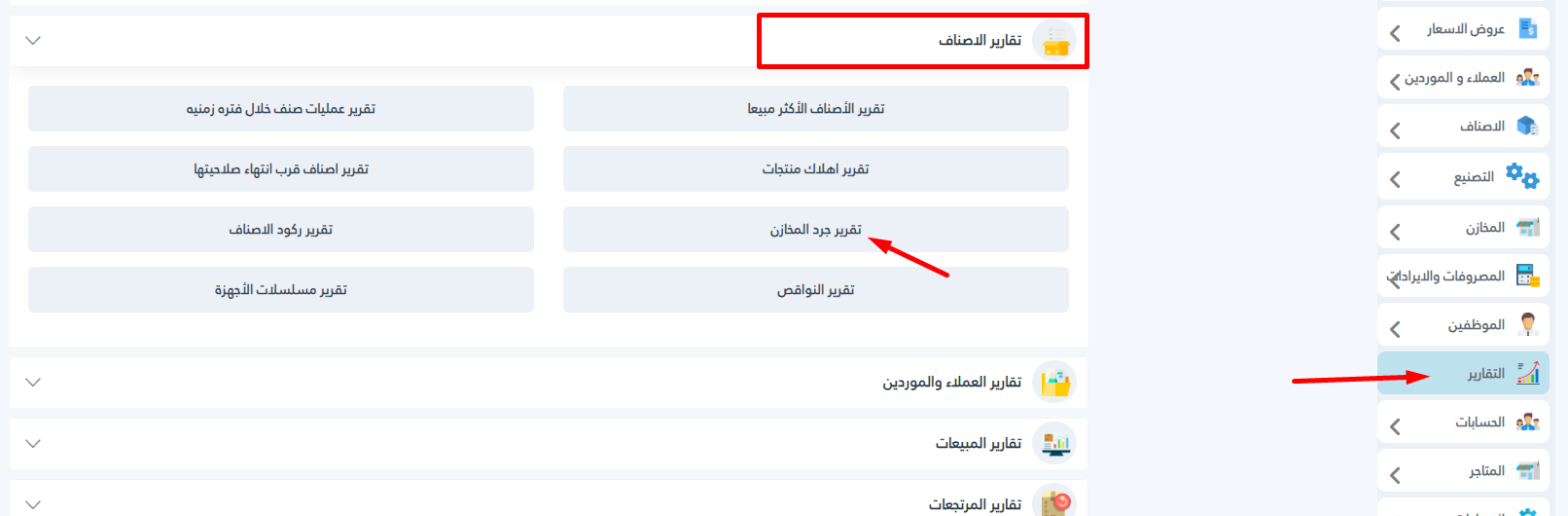
- Navigate to Reports from the main menu.
- Select Item Reports, then click Warehouse Stocktaking Report.
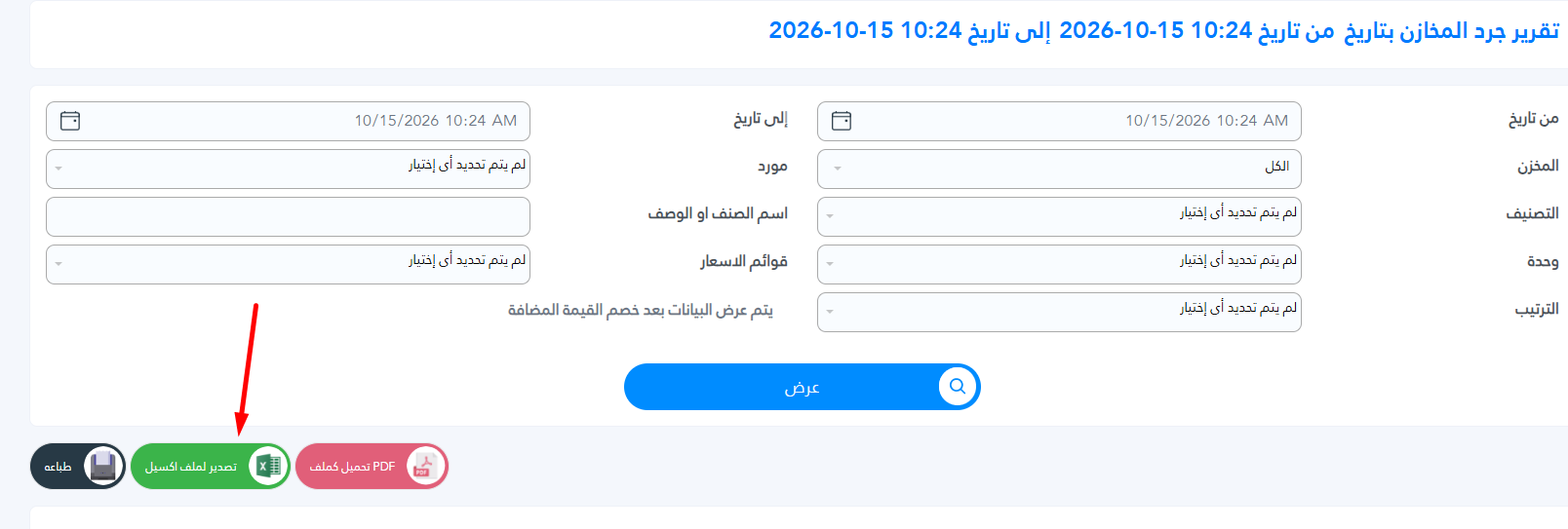
- Click Export to Excel.
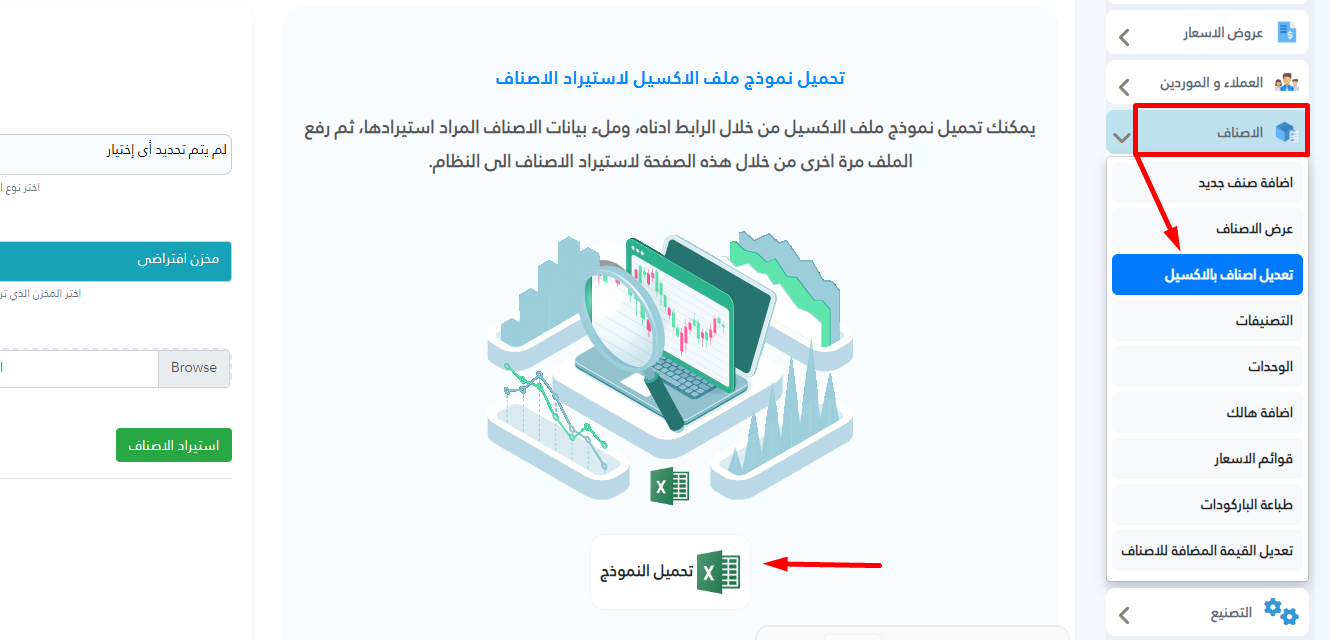
Open the exported Excel spreadsheet to view complete item data and enter physical counts.
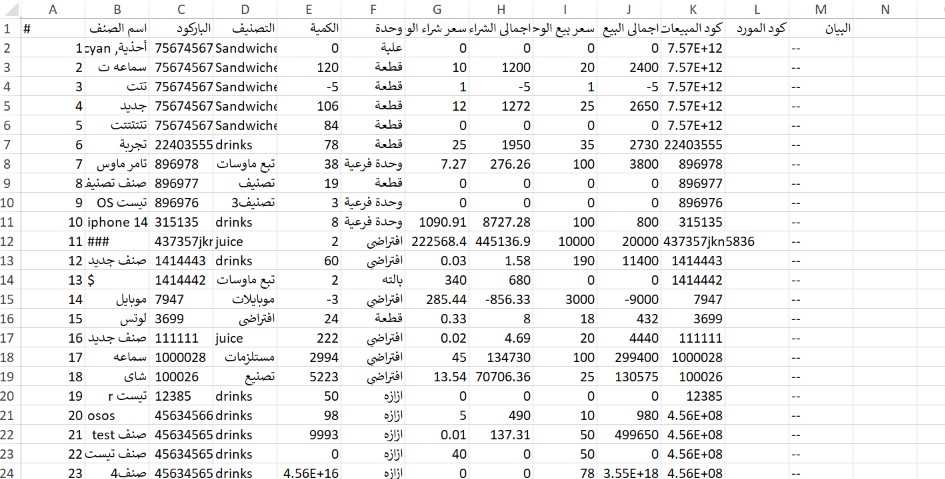
Create an Excel spreadsheet (.xls format) containing Item Codes and Updated Physical Quantities. Save the file and upload it back into the program to automatically adjust database balances to match physical counts.
From the Items menu, select Modify Items via Excel and upload the file.
Try Al-Badr Sales Pro for free here
Watch the introductory software tutorial here
FAQ About Stocktaking
How Is Stocktaking Conducted Using Al-Badr Sales Pro?
Al-Badr Sales Pro simplifies counting by allowing you to export your inventory list into an Excel file, enter actual physical quantities, and upload the updated file back into the platform to update database stock levels instantly.
What Is the Difference Between Manual and Digital Stocktaking Methods?
Manual methods rely on handwritten logging, increasing human error risks and execution delays. Digital methods using Al-Badr Sales Pro process data automatically in real time, minimizing errors and accelerating procedures.
How Does Stocktaking Improve Business Operations?
Regular counts verify product availability, prevent stockouts or overstocking, reduce holding costs, and optimize capital efficiency to maximize profitability.
Can I Perform Periodic Stocktaking Using Al-Badr Sales Pro?
Yes, Al-Badr Sales Pro supports flexible periodic counts, whether monthly, quarterly, or annually, delivering accurate reports to manage inventory easily.
Can Al-Badr Sales Pro Manage Stocktaking Across Multiple Warehouses?
Yes, Al-Badr Sales Pro supports multi-warehouse inventory management, allowing you to track stock levels, transfers, and sales across multiple locations with real-time data synchronization.