


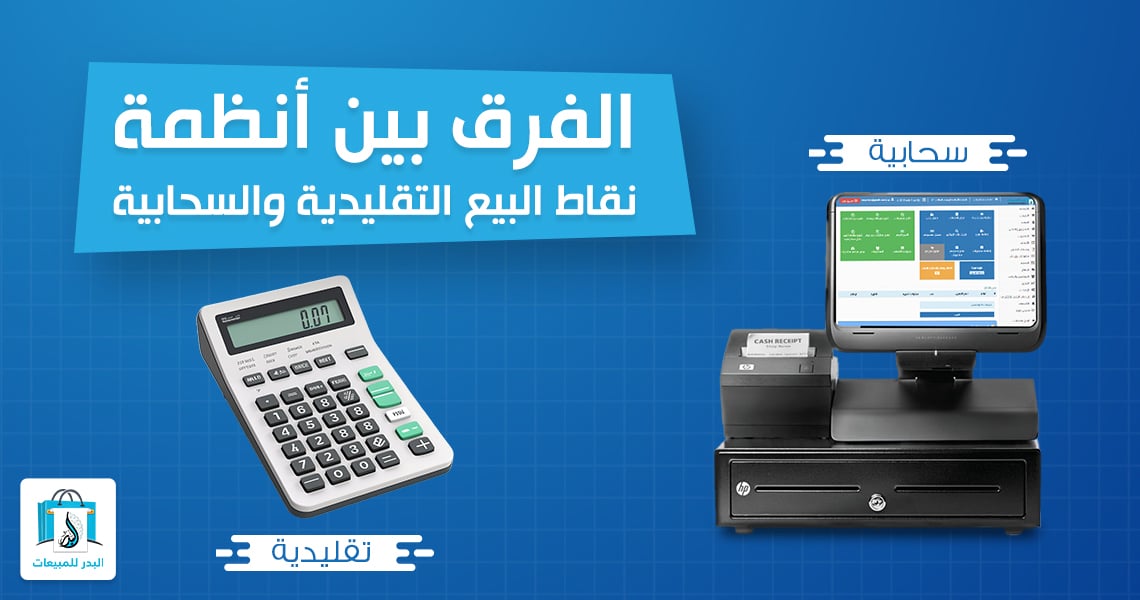
Retail evolution significantly impacts business management. Traditionally, merchants relied only on basic offline setups. However, modern technology introduced electronic sales systems, prompting smart brands to deploy an advanced Cloud POS system. In this article, we explore the core structural differences between traditional and cloud-hosted architectures to optimize your daily storefront workflows.
Definition of the Traditional System: Advantages and Challenges
Traditional electronic sales systems rely entirely on local hardware and on-premise software installed locally on internal hard drives. They utilize on-site computers or specialized cashier terminals to handle all business transactions. While this setup has been common for years across small shops and large enterprises, it functions very differently from a modern Cloud POS system.
Advantages of the Traditional System:
- Operational Independence: Traditional setups do not require a continuous internet connection, meaning daily offline processing happens locally.
- Hardware Performance: Local networks run at high speeds if the internal hardware is powerful, allowing rapid checkout execution.
Challenges Facing the Traditional System:
- Geographical Restrictions: Operations are bound to a single physical location, meaning you must be on-site to view data, unlike a flexible Cloud POS system.
- High Maintenance Costs: These setups require significant investments in physical equipment, software licenses, and routine IT maintenance.
- Limited Scalability: Traditional setups offer limited flexibility when trying to adapt to rapid growth or technical updates.
Features of a Cloud POS system
In contrast, a modern Cloud POS system offers numerous advantages that outperform traditional frameworks. These electronic sales systems rely on secure internet connectivity to store data safely, allowing remote access and instant monitoring from anywhere.
1- Access from Anywhere
The most prominent advantage of a Cloud POS system is complete data accessibility. Business owners can execute transactions or review real-time financial summaries at any time from any device using a Cloud POS system, as long as there is an internet connection. This is highly beneficial if you manage multiple storefronts or want to track performance without being physically present at each branch.
2- Security
A major challenge for legacy systems is relying on local data storage, leaving them vulnerable to hardware failure, theft, or hacking. However, a Cloud POS system protects your sensitive files using advanced safeguards by storing information on secure servers. Deploying a certified Cloud POS system shields your database from technical corruption, while executing automated backups so you never lose crucial transactional records.
3- Automatic Updates
Seamless updates are a core benefit of a Cloud POS system. With traditional options, you must handle system upgrades manually, which is time-consuming and requires technical expertise. Conversely, a Cloud POS system updates automatically in the background without interrupting your workflow, ensuring you always access the latest features and compliance tools.
Cloud POS system vs. Traditional System: Which Is Better for Your Business?
When choosing an infrastructure for sales and inventory tracking, business owners evaluate two paths: traditional architectures versus a modern Cloud POS system. An accounting systems comparison reveals that the difference involves more than where records are saved; it impacts your operational flexibility, workflow efficiency, and long-term management.
Traditional setups rely on a single terminal or local intranet network installed on-site, meaning data accessibility is restricted to that specific location. While this model was popular for decades, it is less practical for multi-branch scaling.
In contrast, a web-based Cloud POS system operates entirely online, archiving records on secure remote servers. You can monitor live sales, look at inventory changes, and review performance instantly. This capability has revolutionized modern electronic sales systems that require fast processing and immediate decision-making.
Through an accounting systems comparison, cloud-hosted alternatives provide superior flexibility, automated updates, and effortless multi-branch linking.
Benefits of the Cloud System: How It Improves Efficiency Compared to Traditional Setups
Migrating to a Cloud POS system greatly boosts daily operational efficiency. Instead of dealing with manual entry or delayed statements, a Cloud POS system grants you immediate visibility into every transaction across your entire enterprise.
Key Practical Benefits
- Real-time automated data updates without manual intervention.
- Instant sales and financial reporting to speed up decision-making.
- Seamless alignment between frontend sales counters and backend inventory.
- Minimizing human errors associated with traditional bookkeeping habits.
For instance, legacy architectures might fail to alert you of stockouts until it is too late. Conversely, a Cloud POS system sends instant alerts so you can restock items immediately, saving your store from losing a full day of profits.
Furthermore, an accounting systems comparison shows that a Cloud POS system integrates bookkeeping directly into your daily retail workflows rather than delaying it to the end of the month, improving financial precision.
Transitioning to the Cloud: Why It Is the Perfect Choice for Rapidly Scaling Projects
Business expansion is the goal of any successful enterprise, but scaling with traditional tools can become an administrative burden. Every new branch requires additional hardware, complex configurations, and isolated databases that are difficult to centralize.
This is where a Cloud POS system proves its power. When adding a new storefront, it links immediately to your main network, displaying its operational metrics on a unified dashboard. There is no need to rebuild your software infrastructure from scratch or worry about data discrepancies.
For fast-growing brands like retail chains or restaurants, a Cloud POS system is the most practical choice. It supports:
- Rapid multi-branch expansion without IT complexities.
- Unifying corporate reports across all physical locations.
- Tracking the individual financial performance of each store.
This capability ensures cloud platforms win any accounting systems comparison regarding long-term sustainability and business growth.
Security and Data Protection: Comparing Traditional and Cloud Options
Some merchants assume traditional terminals are more secure because data is kept “inside the shop.” However, local drives are highly vulnerable to physical damage, theft, or complete data loss due to a lack of routine backups.
Alternatively, a Cloud POS system utilizes advanced enterprise-grade security protocols, including:
- High-level data encryption.
- Automated cloud backups.
- Multi-layered data loss protection.
- Continuous remote security patches.
When performing an accounting systems comparison focused on data safety, a Cloud POS system offers superior protection. Your business records remain safe even if a physical device breaks down, preventing sudden technical disruptions from halting your storefront operations.
Price Difference: Upfront Purchase vs. Monthly Subscription
A major distinction between legacy sales setups and a Cloud POS system lies in the pricing model. Traditional setups require buying heavy physical machines and cashier computers alongside expensive software licenses upfront, creating a large financial barrier for small businesses.
Conversely, a Cloud POS system operates on a flexible subscription model. This subscription fee covers regular software updates, remote technical support, and hosting features without unexpected costs. Over time, a Cloud POS system proves much more economical because it eliminates heavy hardware investments and expensive on-site maintenance fees.
Maintenance and Support: Cloud Operations vs. On-Premise Hassles
Cloud technology clearly outperforms traditional setups regarding maintenance. Legacy setups often require expensive annual service contracts for hardware and software, forcing businesses to hire IT technicians to fix sudden system crashes on-site, leading to costly downtime.
With a Cloud POS system, system maintenance is managed entirely remotely. Technical experts provide around-the-clock support, while automated patches roll out smoothly. This setup means you do not have to worry about system glitches or manual troubleshooting; all you need is an internet connection to keep your storefront running perfectly.
Real-Time Reports: The Cloud Advantage in Performance Tracking
A web-hosted software platform excels at performance tracking by offering real-time reporting metrics. Business owners can monitor sales velocities, track stock levels, and review profit margins from any location at any time.
Traditional options rely on delayed reports that must be updated manually, causing merchants to miss opportunities to fix operational issues quickly. Meanwhile, a cloud-based layout delivers live transactional updates. It harmonizes multiple branches instantly so you can manage your entire business footprint with total flexibility.
Which System Best Fits Your Business Type?
Understanding which setup fits your business model helps maximize the return on your software investment:
- Traditional Systems: Suitable for independent local shops or small storefronts with limited branches that do not require rapid data syncing or advanced remote management tools.
- Cloud Infrastructure: The ideal choice if you run multiple branches or need to manage operations remotely. Brands looking for fast scalability, automated software updates, and advanced technical support will find cloud-hosted software to be the perfect match.
FAQ About Cloud POS Systems
What is a cloud sales system, and how does it differ from a local setup?
A cloud platform uses secure web servers to manage transaction data online, allowing you to access reports from anywhere. Traditional systems store information locally on a single machine, restricting data access and requiring manual upkeep.
How does a cloud setup enhance the customer checkout experience?
Web-based architectures process transactions quickly and accurately, reducing checkout wait times. It integrates easily with diverse digital payment methods and keeps transaction details archived safely.
What are the primary benefits of choosing modern electronic sales systems over older models?
Modern electronic sales systems offer internet connectivity, universal data access, and automated support, along with live analytical tools to optimize your business performance.
How can we evaluate an accounting systems comparison between local and cloud setups?
Local tools isolate financial data on-site, requiring manual data entry and physical auditing. A cloud setup provides automated syncing to generate precise financial summaries instantly from any location while integrating smoothly with other accounting applications.
Can I integrate a cloud sales platform with my company’s existing software tools?
Yes, a flexible cloud setup connects seamlessly with other enterprise tools, including popular digital bookkeeping software, eliminating manual entry to unify your financial workflows perfectly.
At Al-Badr Sales Software, we provide robust point of sale solutions designed to optimize your retail efficiency. Whether you run a boutique shop or a large retail network, we help you launch the perfect platform tailored to your industry niche.
Contact our sales integration specialists today to activate your premium commercial license, automate your point of sale terminals, optimize your digital cash registers, and maximize your marketplace revenue!