


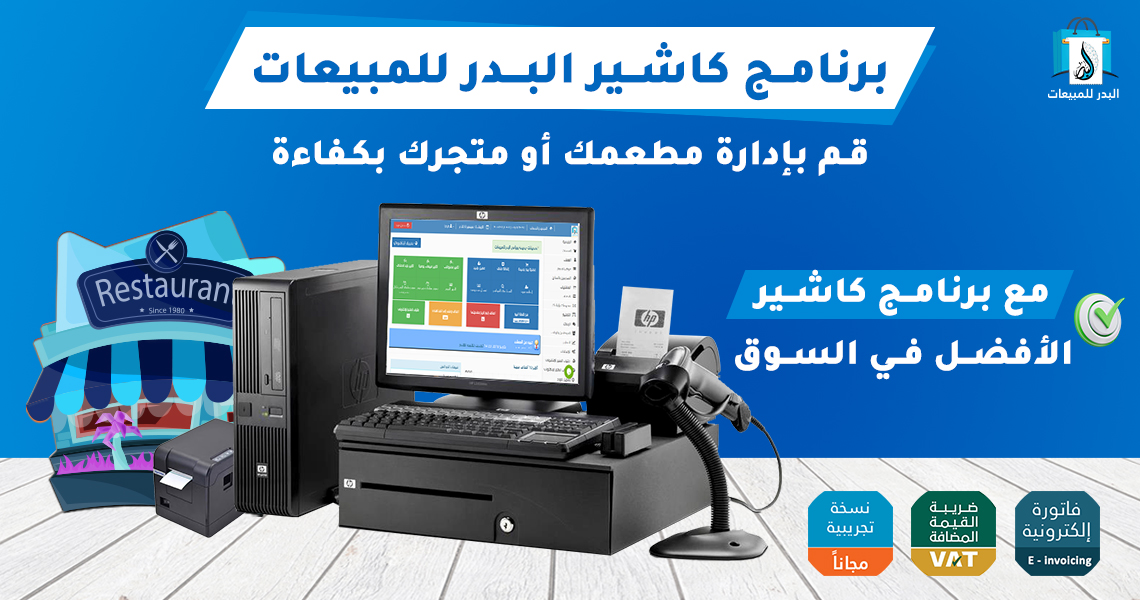
Cashier for Stores
Cashier Officer In the world of commerce, the role of the cashier is one of the basic and vital roles in managing various shops.
It deals with customers, manages payment and financial collection operations, and also records sales and prepares financial and statistical reports.
This role requires high interactive skills and the ability to work under pressure and under any circumstances, and is not limited to financial operations only, but includes other tasks such as marketing and inventory management. In this article, we will talk about the role of the cashier in managing various stores.
What are the duties of a cashier?
A cashier plays a vital role in managing various retail stores.
The cashier is considered the first point of contact for customers during the purchasing process. The cashier undertakes numerous tasks, starting from welcoming customers with a warm smile and ending with processing payments and issuing receipts.
The cashier is responsible for recording purchases and calculating the financial amounts related to sales. The cashier reads and analyzes barcodes or product codes, and enters them into the cash register system to ensure the accuracy of prices and determine the final amount for the customer. The cashier also deals with various payment methods available to customers, such as cash, credit cards, and prepaid cards.
In addition to that, the cashier provides efficient customer service by answering customers’ inquiries and offering assistance in case of any issues or difficulties during the payment process.
The cashier must possess strong communication skills and the ability to interact with customers politely and professionally.
In short, the cashier plays a crucial role in managing various retail stores. They are not merely individuals who handle payment transactions; rather, they are the friendly face that customers encounter.
The best cashier in the Arab world, Al-Badr for daily sales
What is the role of a cashier?
A cashier plays a vital role in managing various retail stores. They are an essential part of any retail business. The cashier is the person who directly interacts with customers and completes payment transactions. Cashiers receive payments from customers in cash, credit cards, or debit cards, and issue sales receipts or payment slips.
Additionally, Cashiers input customer and product data into the electronic payment system or software used in the store. Despite time pressures, they strive to complete transactions accurately and quickly to ensure customer satisfaction.
The cashier plays a pivotal role in inventory management and stock control. By tracking sold products and inputting inventory-related data into the system, they help determine product availability, manage supply levels, and redistribute products as needed.
Moreover, cashiers adhere to security and privacy laws when handling customers’ financial and personal information. Cashiers must maintain customer data confidentiality and handle payment and financial transaction data with care.
In essence, the cashier is a fundamental component in facilitating payment processes and collecting funds.
The best Al Badr sales program for daily sales
What are the qualities of a successful cashier?
Being a cashier in various retail stores is not just about recording sales and collecting money;
it also requires good skills and qualities to succeed in this important role. Here are some essential skills and qualities that a successful cashier should possess:
-
Accuracy and Focus: A cashier must be accurate and focused in their work. They must ensure that all information and amounts are recorded correctly in the system, avoiding common mistakes such as entering incorrect amounts or giving the wrong change.Cashier for Stores
-
Communication Skills: A cashier must have effective communication skills. They should treat customers with kindness and respect, listening patiently and understanding their inquiries and requests. They should also be able to explain any offers or discounts that the store may provide clearly and simply.Cashier for Stores
-
Knowledge of Cash Systems: A cashier must be familiar with cash systems and their various technologies. They should be able to use the devices and software used in sales transactions efficiently and accurately. They should also have the necessary knowledge to issue accurate receipts and manage cash securely.Cashier for Stores
Responsibilities and duties of the cashier in stores.
The cashier is the one who plays a vital role in managing the various stores. The cashier carries out many responsibilities and duties that help facilitate sales and payment processes and achieve a smooth and comfortable shopping experience for customers.Cashier for Stores
Firstly and foremost,
A cashier is responsible for greeting customers with a smile and politeness. The cashier should be kind, polite, and cooperative with customers to create a friendly and comfortable atmosphere in the store. The cashier should be knowledgeable about all store products, prices, payment and return policies, in order to be able to provide assistance and correct information to customers.Cashier for Stores
Secondly,
The cashier is responsible for processing payments and collecting money from customers. The cashier must be accurate in entering numbers and amounts correctly, verifying the validity of credit cards and ensuring that the correct change is available. The cashier must also handle customers’ personal and financial information with care and ensure the confidentiality and security of this information.Cashier for Stores
Thirdly,
The cashier issues invoices and receipts to customers as documentation of the purchase. The cashier must ensure that invoices are printed clearly and accurately.Cashier for Stores
Cashier: Managing Finances and Transactions
The cashier plays a vital role in managing retail stores by overseeing financial transactions. A cashier is primarily responsible for processing payments and organizing financial dealings within the store.
Their duties include receiving payments from customers, issuing receipts or invoices as needed, and verifying the accuracy of tendered amounts.Cashier for Stores
Moreover, cashiers must be knowledgeable about various payment methods, such as cash, credit cards, debit cards, bank transfers, and digital payments. Proficiency in using point-of-sale systems and accurately recording financial transactions is essential.Cashier for Stores
Effective collaboration with the management and accounting teams is crucial to ensure the accuracy of financial reports and proper documentation of transactions. Cashiers may also be tasked with managing the cash register and preparing daily or monthly reports on income and expenses.
In summary, the cashier’s role is indispensable in managing money and handling payments within retail establishments. A comprehensive understanding of different payment methods is a fundamental requirement for this position.