



How to configure operational restrictions within daily sales management platforms can directly impact your business security. This article will demonstrate the precise method to assign users’ permissions using Al-Badr Sales Pro. Controlling system access is a fundamental cornerstone for ensuring absolute data integrity and workplace efficiency.
By discovering how to assign users’ permissions, you can dictate exactly what actions your staff can execute within the platform, whether it involves adding new inventory items, generating invoices, modifying stock levels, or auditing sensitive financial statements.
Steps to Assign Users’ Permissions in Al-Badr Sales Pro
To manage user accessibility, execute the following operational sequence:
- From the main system dashboard, select Settings.
- From the dropdown configuration list, select Users.
- Locate the specific employee file and click Edit User.
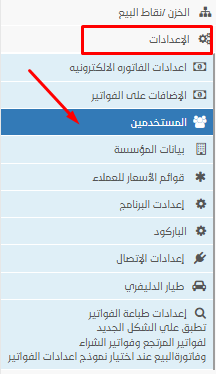

An interface will populate displaying the comprehensive registry of employee profiles along with the accessibility checkboxes your enterprise wants to allocate.
From this screen, you can define the core organizational role of the user (such as Administrator, General Supervisor, Supervisor, or Field Representative) while specifying their dedicated point of sale asset, whether it is a specific cash drawer, the primary corporate safe, or bank transfer ledgers.
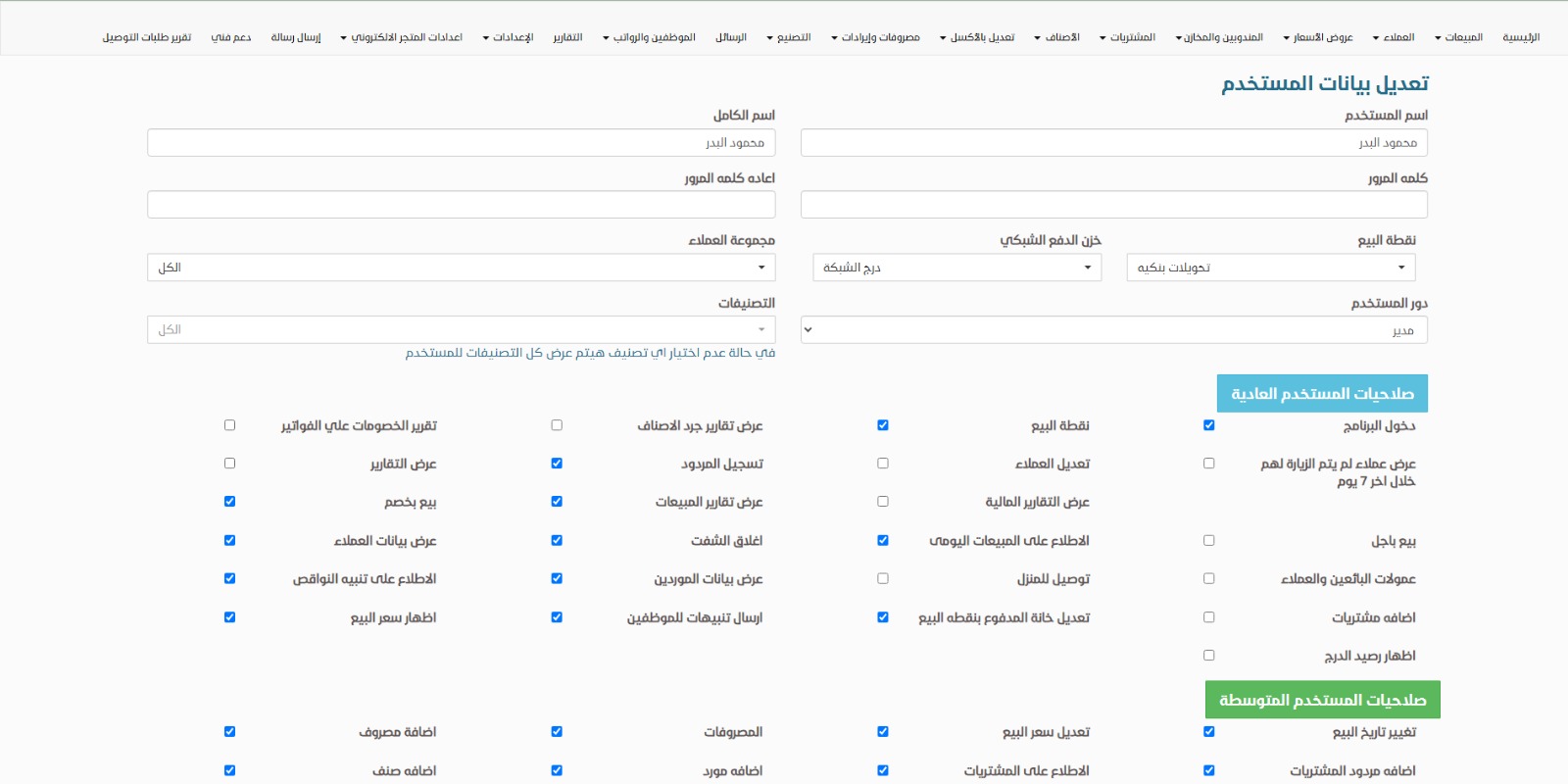
Furthermore, you can assign the user to a defined customer segment group. Once these basic parameters are established, the system opens up an extensive matrix of access levels, categorized into standard, intermediate, or advanced tiers, allowing you to fluidly assign users’ permissions based on your structural needs.
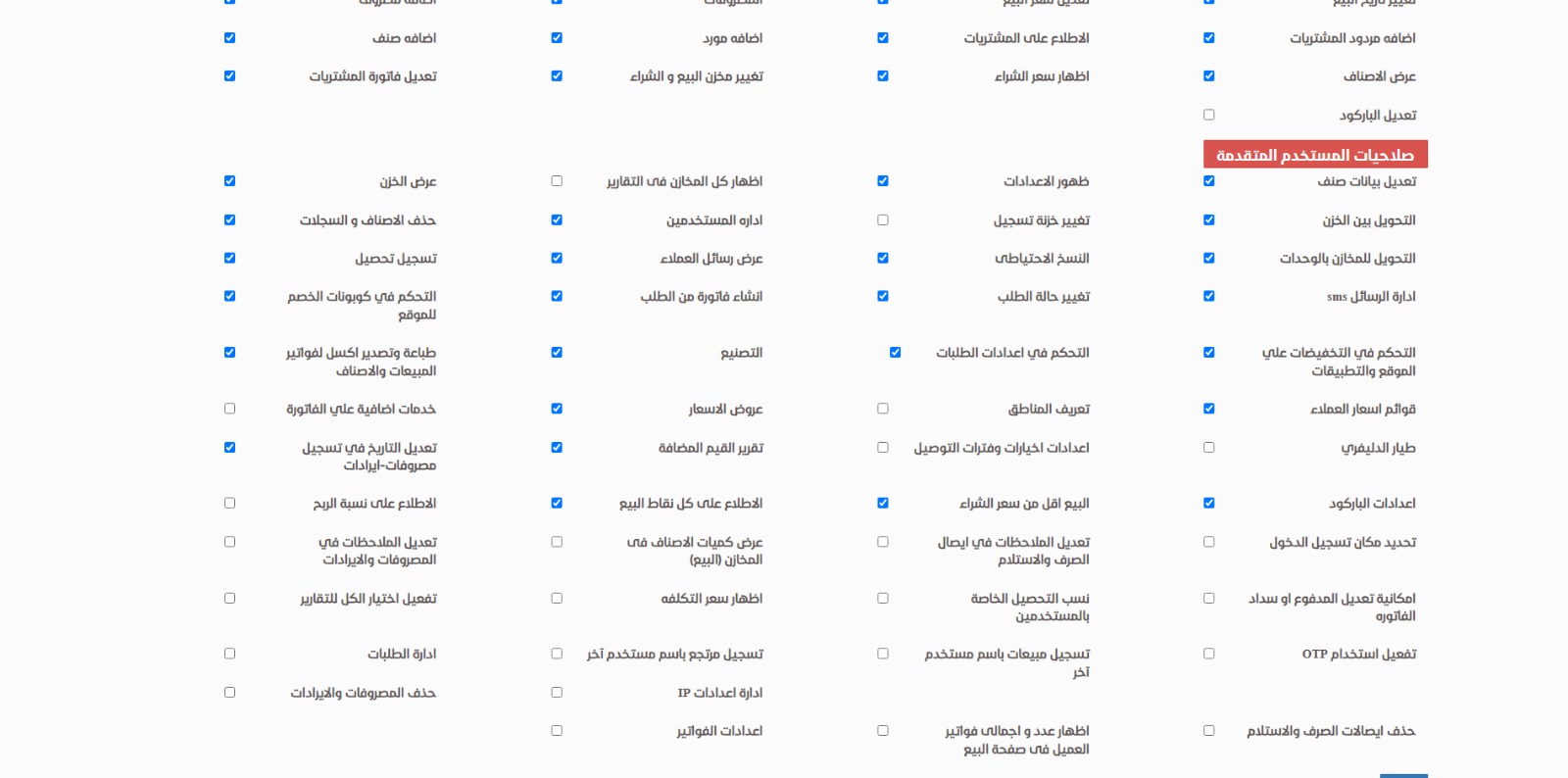
Detailed User Permission Tiers in Al-Badr Sales Pro
To help you understand the precise operational scope of each checkbox, we have separated the access profiles into three distinct structural divisions:
Tier 1: Standard User Permissions
- System Login: Controls basic access to log into the software interface.
- Add POS Terminals: Grants the user authority to introduce new point-of-sale stations.
- Log Product Returns: Allows the operator to register item returns within the returns ledger.
- View Daily Sales: Grants the capability to view daily transaction summaries.
- Apply Discounts: Authorizes the creation and application of customer discount coupons.
- Credit Sales: Permits the user to process credit-based sales for registered clients.
- View Reports: Opens up general performance report viewing privileges.
- Add Purchase Invoices: Allows the user to record new incoming stock purchases.
- View Supplier Data: Grants access to look up information within the supplier master list.
- Low Stock Alerts: Displays notifications regarding items that fall below safety thresholds.
- View Customer Profiles: Grants basic visibility into the primary customer directory.
- Unvisited Accounts (7 Days): Allows field managers to view clients who haven’t been visited by representatives in the last week.
- Commissions & Loyalty Points: Permits logging representative commissions and customer reward points.
- Display Drawer Balance: Shows the real-time cash balance collected within the register drawer.
- Modify Customer Profiles: Allows editing existing client contact info and records.
- View Financial Reports: Opens specialized fiscal performance reports.
- View Sales Analysis: Grants access to historical sales trajectories and analytics.
- Home Delivery Service: Activates the dedicated home delivery configuration on the sales invoice screen.
- Modify Amount Paid Field: Allows the cashier to manually input or adjust the actual cash received from the client.
- Employee Alerts: Grants access to the internal workforce portal to send out operational notices.
- Log Sales Returns: Authorizes processing formal customer return documentation.
- Shift Closure: Permits the operator to officially close out the daily operational shift.
- Invoice Discount Reports: Generates summaries detailing all custom price reductions applied to invoices.
Tier 2: Intermediate User Permissions
- Edit Retail Price: Authorizes the user to manually alter defined product selling prices during a transaction.
- Change Transaction Date: Permits modifying the official calendar date of recorded sales.
- Expense Management: Grants control over logging daily business expenditures.
- Add Purchase Returns: Allows creating return shipments back to product vendors.
- View Purchase Records: Grants comprehensive access to historical procurement histories.
- Add Supplier Profiles: Authorizes adding new vendors to the supplier directory.
- Add New Product: Permits introducing new stock keeping units (SKUs) into the inventory registry.
- View Product Catalog: Displays the full registered inventory database.
- Modify Barcodes: Grants access to the underlying barcode system configurations.
- Display Purchase Price: Shows the original wholesale cost price on the active checkout screen.
- Toggle Source Warehouses: Allows changing the target inventory storage zones during sales or purchasing.
- Edit Purchase Invoices: Grants the authority to alter finalized vendor purchase records.
Tier 3: Advanced User Permissions
- Modify Product Master Data: Authorizes permanent changes to item files and descriptions.
- Access System Settings: Grants total administrative control over core global system parameters.
- User Management System: Authorizes the administrator to edit profiles and assign users’ permissions for other staff members.
- Delete Items and Ledgers: Permits the permanent removal of records and items from system reports.
- Category Configuration: Allows creating, adjusting, or restructuring inventory classifications.
- Database Backup: Authorizes generating full offline backups of customer lists, item catalogs, and global system states.
- Vault-to-Vault Transfers: Permits moving cash balances between different corporate safes or bank accounts.
- SMS Gateway Management: Grants administrative control over automated customer text message broadcast networks.
- Multi-Tier Price Lists: Allows creating and applying multiple distinct pricing layers for a single item.
- Assign Delivery Drivers: Enables selecting and pairing dedicated delivery personnel on the checkout terminal.
- Barcode Tag Design: Grants configuration access over barcode dimensions, layouts, and label settings.
- IP Address Restrictions: Ties software login privileges to a specific corporate network or workstation IP.
- Modify POS Invoice Settlements: Provides total overriding authority over the settlement field at checkout.
- Delete Expense/Receipt Vouchers: Permits the removal of cash disbursement or collection records.
- Adjust Settlement Vaults: Allows redirecting client payments to specific corporate accounts or safes.
- Define Delivery Zones: Enables mapping out spatial shipping regions and assigning targeted delivery pricing.
- Sell Below Cost Price: Grants permission to finalize transactions even if the price drops below the wholesale cost.
- Modify Voucher Annotations: Allows editing notes and descriptions on existing expense or receipt vouchers.
- Display Customer Purchase Volume: Shows total customer historical invoice counts right on the active sales terminal.
- Manufacturing Module: Activates access to raw material processing and bill of materials features.
- Quotation Management: Authorizes compiling and issuing formal business price quotes to prospects.
- VAT Reporting Access: Grants visibility into standard value-added tax collection summaries.
- View Warehouse Quantity Metrics: Displays real-time warehouse inventory volumes directly on the active checkout layout.
- Display True Cost Value: Unlocks cost calculations on the live checkout interface.
- Invoice Layout Adjustments: Opens the billing template customizer.
- Display Safes Dashboard: Shows individual vault and safe summaries on the central main screen.
- Profit Margin Analysis: Grants authorization to evaluate profit margin percentages across sales.
- Backdate Expenses/Revenues: Permits altering transaction dates when recording corporate income or costs.
- Delete Financial Transactions: Authorizes removing input revenue and expense entries permanently.
- Global Selection Controls: Activates the “Select All” toggle functionality across comprehensive systems reports.
Specialized E-Commerce Permissions
- Digital Storefront Discounts: Manages price reductions on web portals and mobile applications.
- Order Setting Adjustments: Controls operational workflows for online incoming orders.
- Update Order Status: Permits advancing orders through processing, shipping, or fulfillment stages.
- Generate Invoice from Order: Automatically transforms digital orders into formal sales receipts.
- E-Commerce Promo Coupons: Manages promotional discount codes dedicated to the online storefront.
To implement any of these, simply locate the required checkbox option with your cursor, apply a checkmark to the desired fields, and click Register to apply your updated configuration across the network.
How to Audit User Activity History inside Al-Badr Sales Pro
Tracking system behavior is straightforward. To audit actions across your system after you assign users’ permissions, navigate through the primary control layout:
- Open the sidebar navigation layout and select Settings.
- Click on the Users sub-module option.
- Locate the target employee profile and click the accompanying Activity icon.

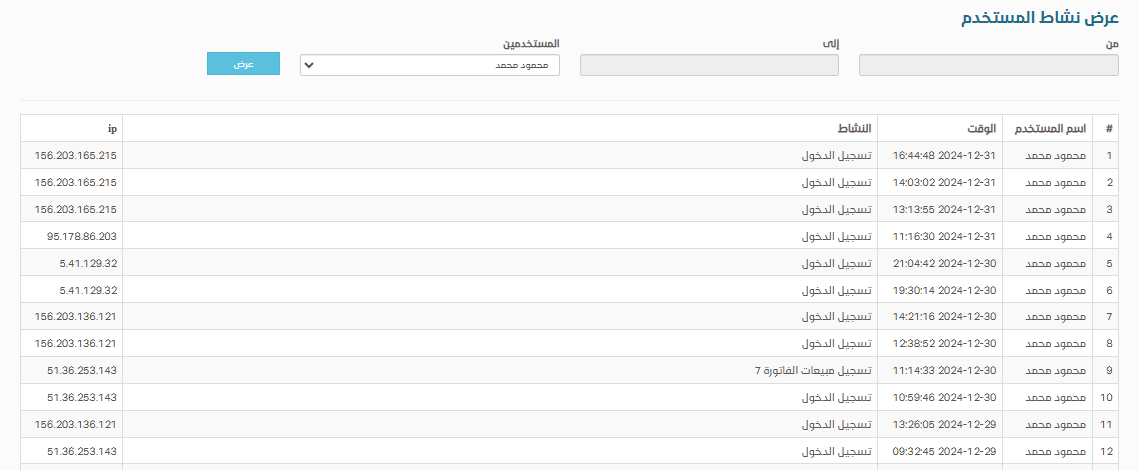
The system will instantly display a comprehensive, time-stamped log detailing every action the user has taken within the infrastructure. This includes exact login timestamps, generated sales receipts, inventory transfers, and any ledger adjustments made across the platform.
Access Your Free Al-Badr System Trial Here
Watch Our Comprehensive Software Introduction Video Here